Welding Smoke Eaters Review Center - Welding Smoke Eater Chart
Learn How You Can Weld Without Using a Gasmask Underneath Your Welding Hood.
A welding smoke eater can help remove toxic gas, dust, fumes, vapors and smoke that results from welding with certain materials. Many materials that are commonly welded are toxic to breathe and should therefore be used with a welding smoke eater. Common metals that are used in welding that are toxic to work with are as common as galvanized metal, lead, and cadmium; all of which can cause a serious lack of oxygen to the welder and also release toxic fumes. Even the most forgiving codes require at least 2000 cfm ventilation when welding materials that are not considered hazardous. However, many materials are considered very hazardous and should be welded only in adequately ventilated areas to prevent the build up of toxic materials or to ensure there is no lack of oxygen not only to the operator but to others working close by.
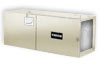
(learn more about this light industrial air cleaner)
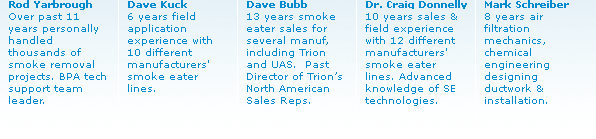
Knowing which welding smoke eater is good for your shop or welding area can be confusing, I mean, look at all the options! That is why we have pulled together welding smoke eater experts from the top producing manufacturers in the country. SmokeEaters.org has asked these top minds to review and discuss their top selling welding smoke eaters. This way you will know which technologies would work best for you and, better yet, why they will work best for you.
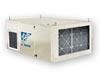
Above, we have put together a chart filled with the top selling welding smoke eaters manufactured. Don't worry, we're not trying to sell you one. We just put together a list of their benefits, drawbacks and special features so you may be able to better tell them apart. We at SmokeEaters.org work for no single manufacturer of welding smoke eaters and we are therefore not catering to one either. We offer you simply unbiased information to help you in your research before you invest in a welding smoke eater.